

FAMILY BUZZ
ADVENTUROUS PLAY
Parent Connect 2/13/2025
The following information is from a class that the staff took in 2023 from Penn State’s Extension program: "Adventurous Play: The How's & Why's"
What is Adventurous Play?
Risk taking
Trying new things
Pushing the limits
Messy play/art
Sensory play
Heavy lifting/pushing
Spinning, hugging, squeezing, rocking, being upside down, balancing
Using dangerous tools
Being near dangerous elements (water, sticks, rocks, fire)
Heights
Speed
Rough & tumble / Wrestling/ “Big body play”
Playing alone
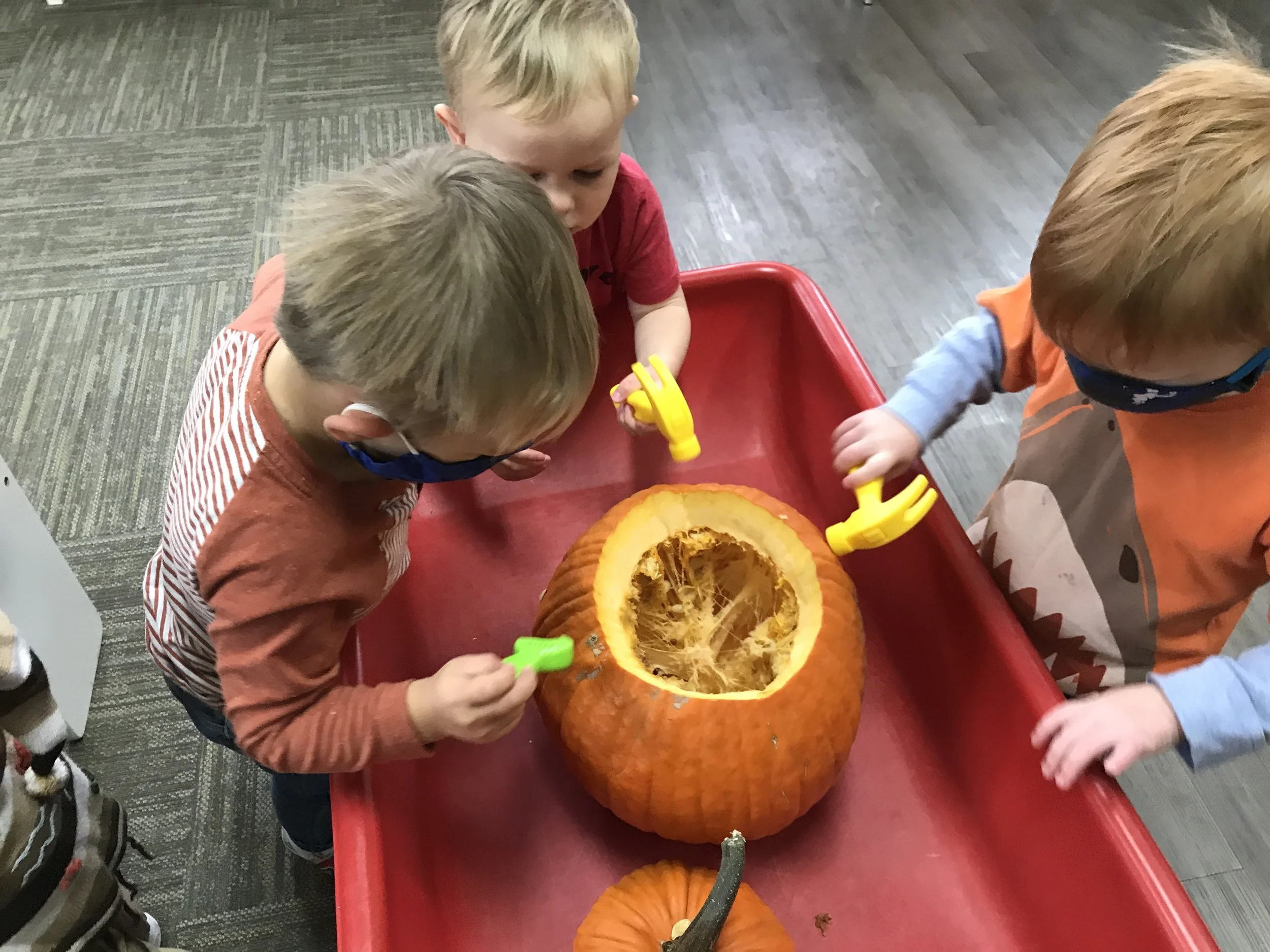
Touching what’s in a pumpkin is “adventurous play”.
What are the benefits of Adventurous Play?
Problem solving skills
Self confidence
Knowing one's limits - less likely to get hurt
Persistence
Being a good reader
Improved focus
Prepares one to learn how to drive
Physical strength
Having a growth mindset… the power of “yet”. “I can’t do it YET, but I will!”
Self control
Resilience
Social development - teamwork, relationships
Apprehensions/Worries/Barriers to Adventurous Play
Safety - getting hurt
Talk them through it. When a child embraces risk, our first instinct may be to remove them from the situation or warn them to “be careful.” A more meaningful response is to talk them through the risk. This way, we build children’s risk assessment and confidence. Before jumping in, take a moment to observe your child. What are they working on? What are the potential risks they face? Encourage them to think about or remember a goal for their activity (perhaps to reach the top of the play structure or the next branch). Then, invite them to tell you how their brain and their body feel as they work toward it. Siblings, same-aged peers, and friends are also good candidates for talking through risk with children.
Worry about dangerous tools - someone getting hurt
Rough & Tumble/Wrestling/Big Body Play - too rough
What are we doing at WWP to encourage Adventurous Play?
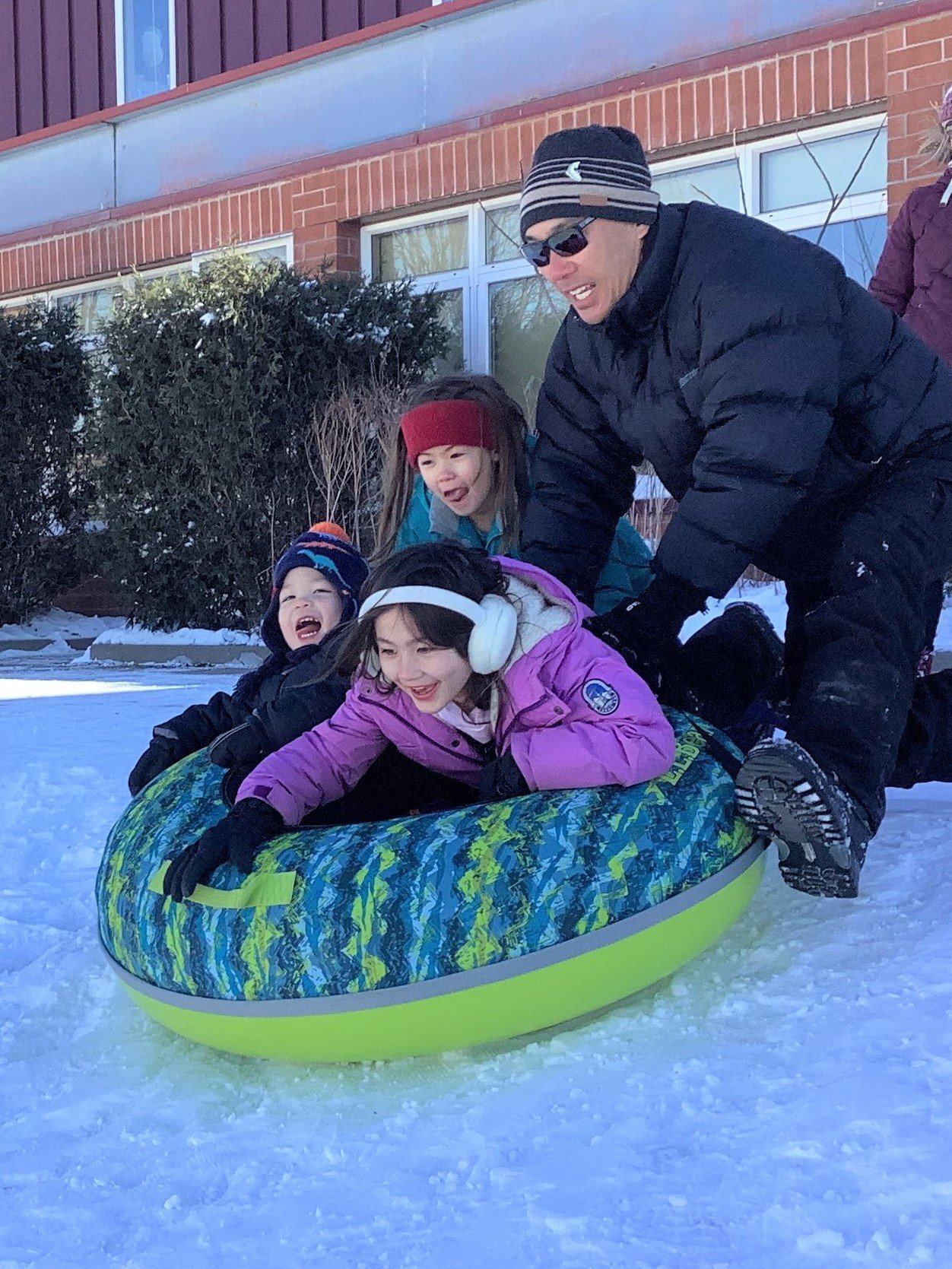
Playground - mud kitchen, downspout, sand play, climber/slides (climbing up slide), rocks, sticks, snow, ice
Gym - tumbling mats, trampoline, climber, hanging bar
Sensory table - water, sand, rice, etc.
We narrate what the kids are doing. Talking about how they’re using their bodies.
Tools - hammering
Messy art - finger paint, shaving cream, etc.
Science exploration & experiments: pumpkin carving, ice, etc.
Sensory play - playdough, glurch, sand, snow
Circle time: dancing, singing, musical instruments, yoga
Cooking projects: tasting new foods
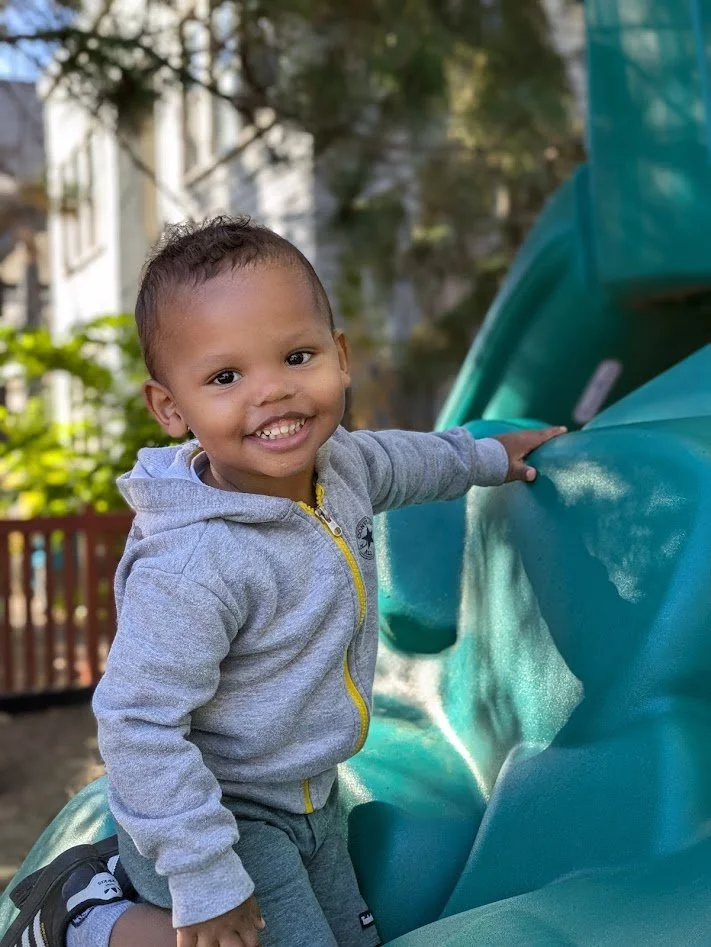
Sledding
Field trips - going to new places, having new experiences
Ideas to try with your family:
Big Art - paint/color large cardboard box
Tools - hammering golf tees into styrofoam or cardboard
Letting them cut using a kid knife
Additional Resources:
Exploring Kindergartens
Minneapolis Public Schools - Free
Here's the link to the Minneapolis Public Schools Website to learn more.
There are options to choose from: your neighborhood community school and magnet schools which focus on various interests or learning styles (ex. language, arts, STEM science technology engineering math, Montessori, World school).
Minneapolis Timeline:
Beginning mid-November: Explore options
Visit the website to learn more
Go tour schools
January 31, 2025: Due date to be included in the first school request lottery.
April 1, 2025: Due date to be included in the second school request lottery.
May 2024: Register at your school
Charter Schools - Free
Charter schools receive government funding but operate independently of the established local public school system.
Here's a link to a directory of charter schools.
Private Christian School Options - Tuition, scholarships available
Hope Academy – 2300 Chicago Ave. S. Minneapolis www.hopeacademympls.org
Minnehaha Academy - 4200 West River Parkway Minneapolis www.minnehahaacademy.net
If you don’t live in Minneapolis, please check your local school district’s website for options and timelines for enrolling.
We are happy to walk alongside you in this transition. Please see Ms. Ann if you need any advice or help making a school request.
Early Childhood Screening - If your child is 3 years or older please make an appointment for a screening with the school district. For Minneapolis: 612-668-3715 screen@mpls.k12.mn.us They will be coming to WWP to do a screening in March - watch for a sign up!
“Social/Emotional Development: Raising Compassionate Kids”

Thoughts from Parent Connect 12/5/2024
From Psychology Today, “Raise Compassionate Children”: The Value of Compassion - Developing compassion starts with the recognition that we are not isolated creatures, but rather individuals who are a part of many groups-communities, races, religions, nationalities, and citizens of planet Earth-that must coexist to survive. Compassion enables us to feel empathy for others and to put others' needs ahead of our own when necessary.
Some thoughts from our discussion:
Social/ Emotional Developmental Milestones:
2-3 year olds are beginning to recognize others’ emotions, show concern for others by trying to comfort or help them.
3-4 year olds can label others’ emotions and show compassion through words or actions.
Children learn by example. Be a compassionate role model and invite your child to be involved: take a meal to someone, donate unused items, help a neighbor clear their sidewalk.
Narrate what you are doing, “My friend is having a hard time, so I’m going to keep her company.” “Your sibling looks upset, let’s see how we can help.”
Help your child learn how to regulate their strong emotions: deep breathing, taking a break, etc.
Make caring for the world, others and justice a focus. Help your child to notice what’s fair and what’s unfair. How can we help to make things more fair?
Surround yourself with a caring, compassionate community - friends, neighbors, faith community.
Resources:
From Harvard “7 Tips For Raising Caring Kids”
13 Ways to Raise Caring and Compassionate Children
Co-Regulating Emotions
Some thoughts and resources from Rachel Chrastil, licensed family educator and WWP parent, who led our Parent Connect group today.

Simple (but not easy!) steps for co-regulating/supporting self-regulation:
Stay Calm and Present: Model calm behavior by staying composed, using a soothing voice, and maintaining a gentle presence to help your toddler feel secure.
Validate Feelings with Simple Language: Acknowledge their emotions (e.g., "I see you're upset") to help them feel understood, and guide them in expressing their feelings.
Observe and Decide How to Respond: Are they calming down, or do they need more support? Based on that, decide how to move forward—whether it’s a calming reminder, offering comfort with a gentle touch, or redirecting their attention.
Co-regulation is not just about helping the child, but also about the parent being mindful of their own emotional state.
Resources:
https://www.zerotothree.org/resource/developing-self-control-from-24-36-months/
https://heartmindonline.org/resources/12-self-regulation-strategies-for-young-children
https://childmind.org/article/what-is-co-regulation/
Scroll down to our article from April 2024 for more ideas.
Parenting Styles
Parent Connect Takeaways
Wanda Felder, licensed parent educator with the Minneapolis Public Schools joined us for a discussion about parenting styles. Experts have found that there are four basic parenting styles: authoritative, authoritarian, permissive and uninvolved.

Here are some excellent articles that explain the various parenting styles and how they affect children’s development.
"Parenting Styles Explained" from the Cleveland Clinic
"What Parenting Style is Right For You?" from the Mayo Clinic
We talked about various things that affect how we parent our children, such as:
how we were raised - doing some things the same, leaving other ways behind
time constraints
things we’ve learned from books, friends, social media, etc
our beliefs, values
stress level
energy level
child’s temperament
our personality
state of our mental health
co-parenting
Parenting is a journey. We are learning as we go. It’s helpful to take the time to reflect on one’s parenting, pat oneself on the back, have grace with oneself and see how one may want to do things next. We’re in this parenting journey together.